Pixel Grain
Pixel Grain is a project that brings digital and analog photography into dialogue.
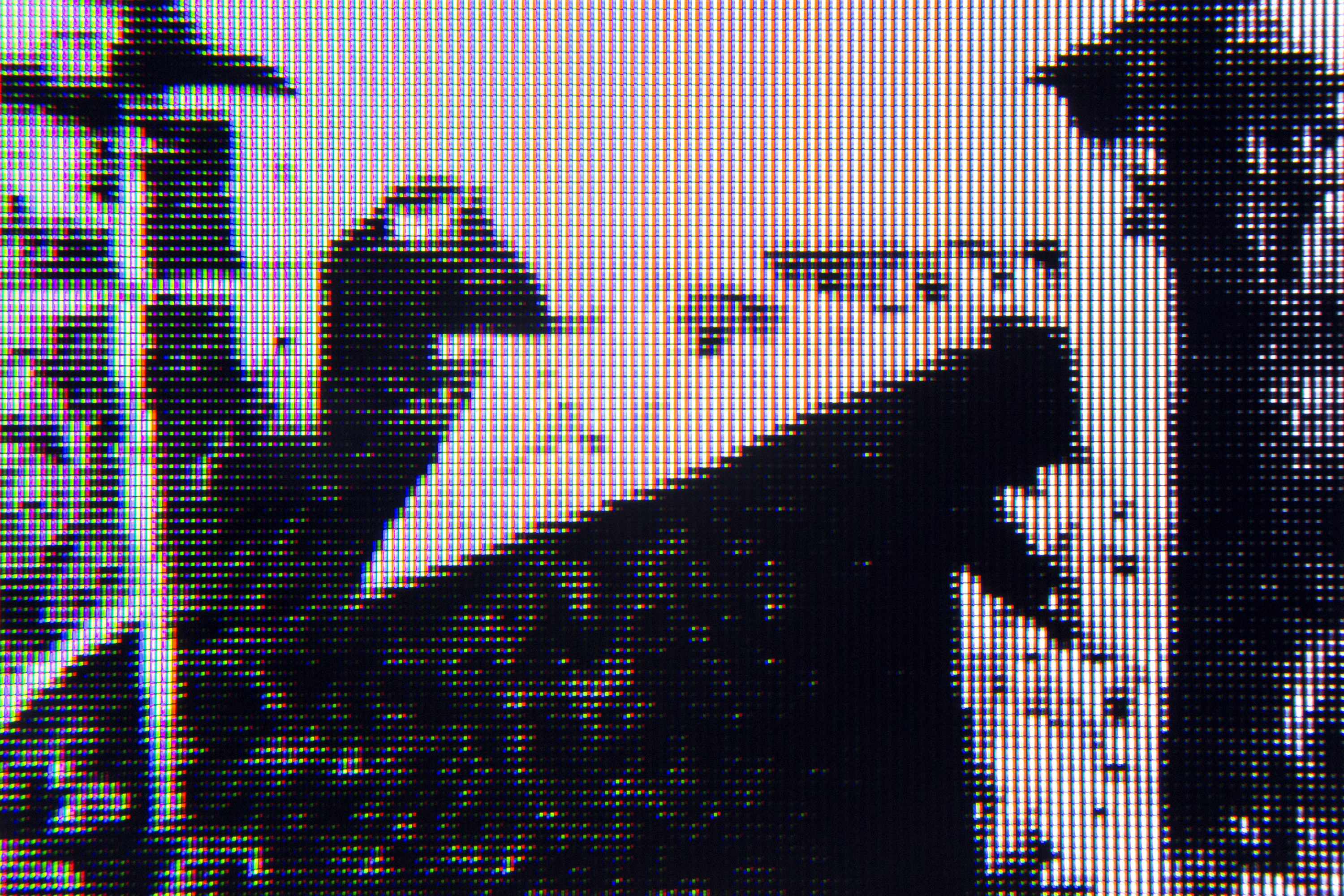
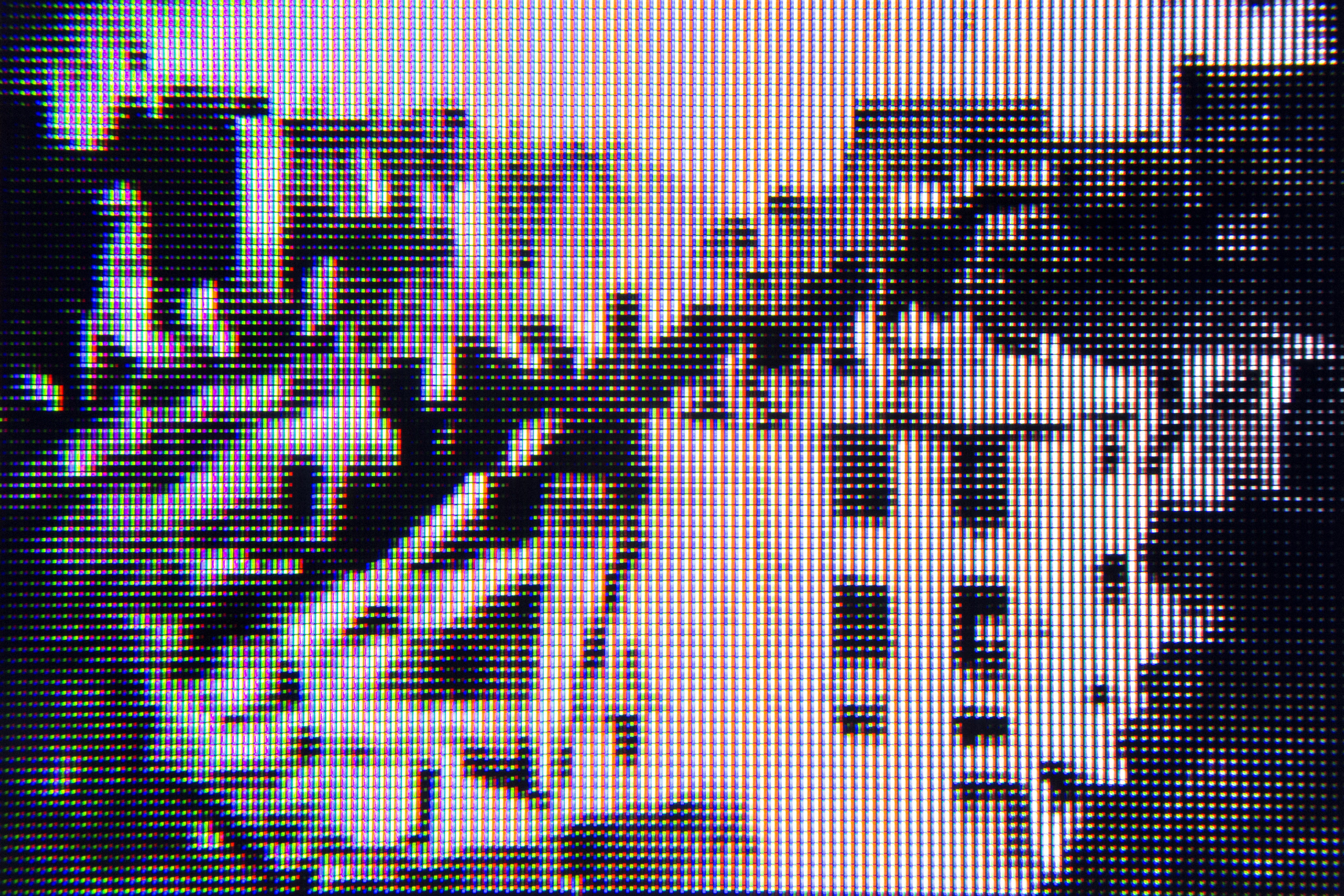
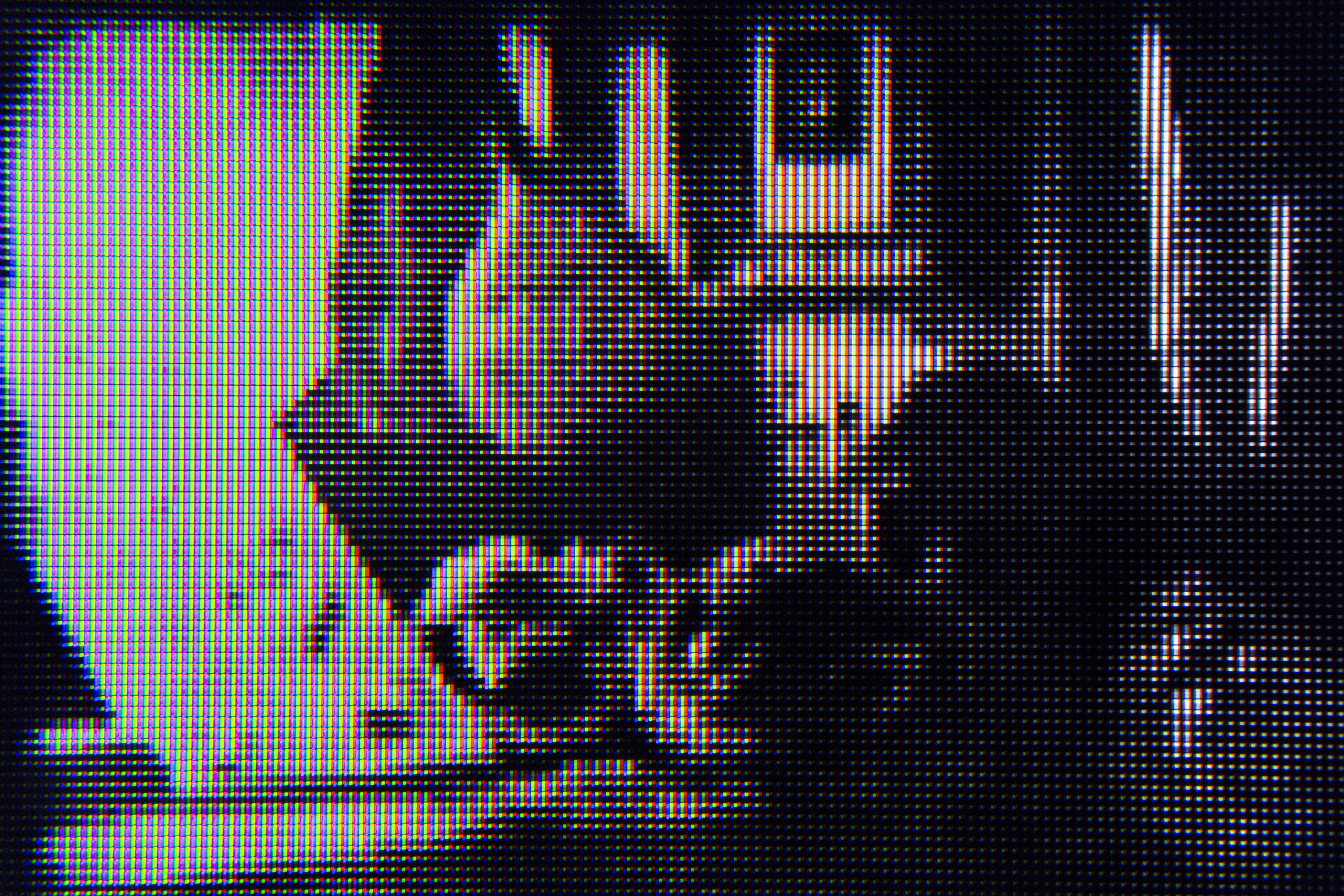
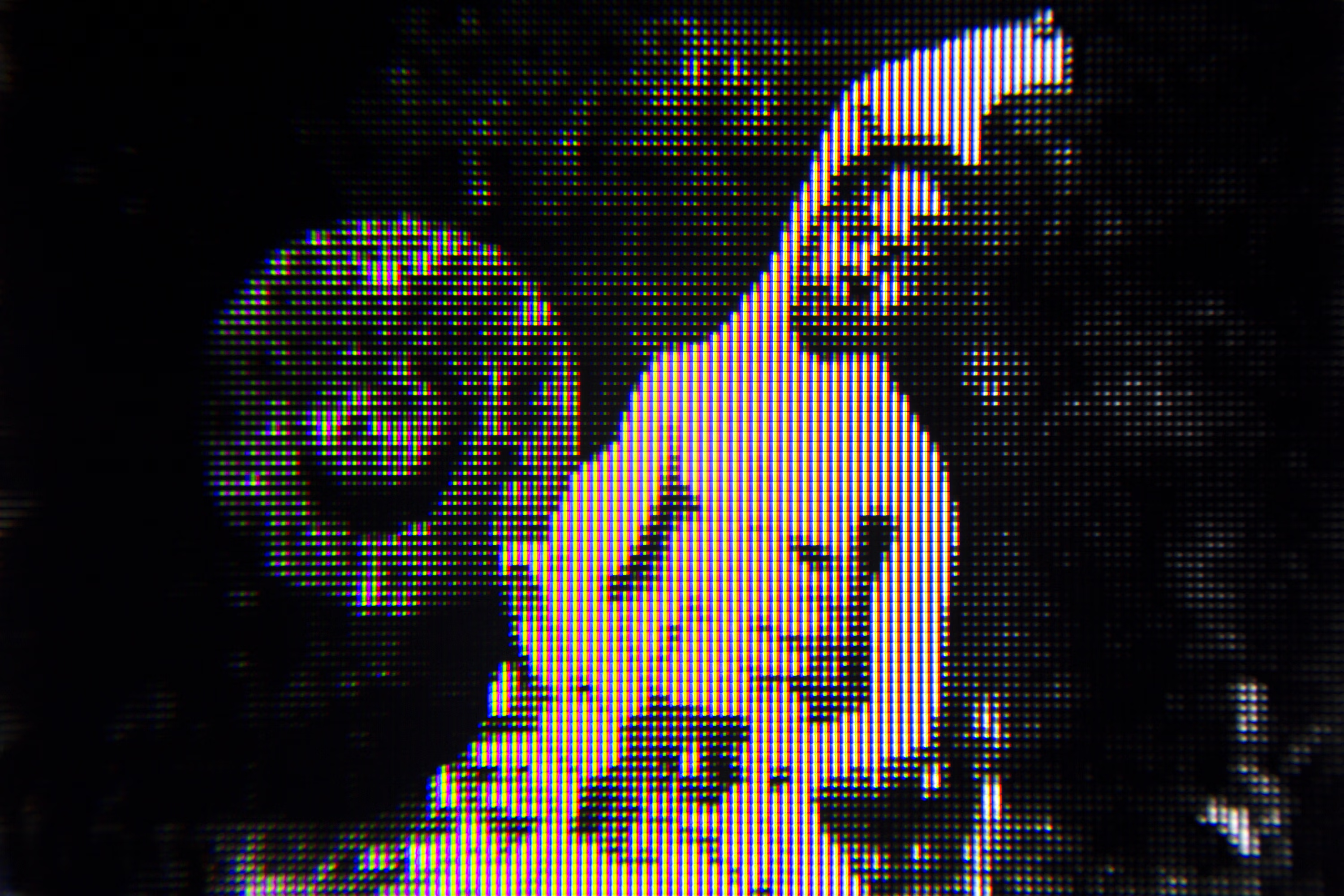
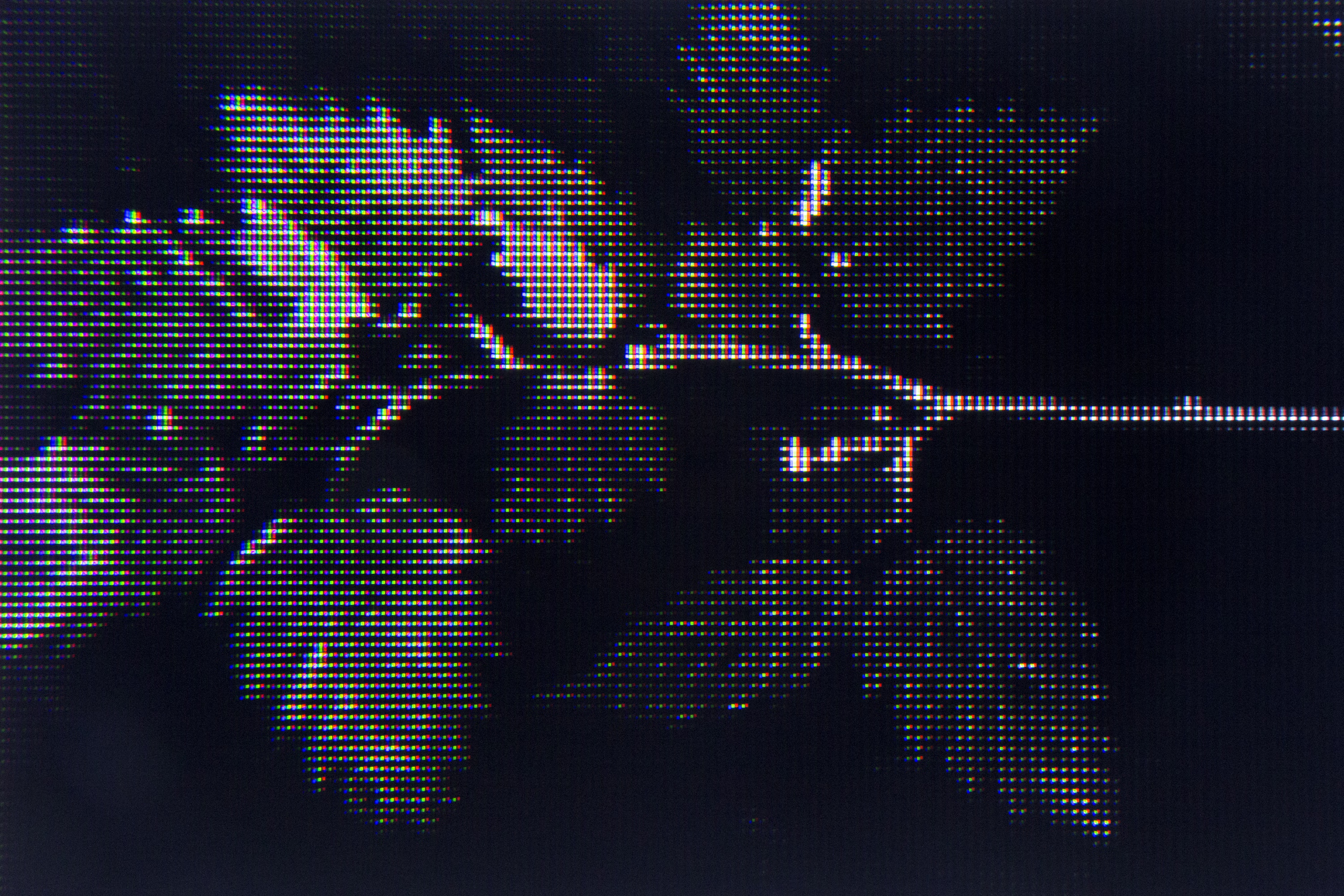
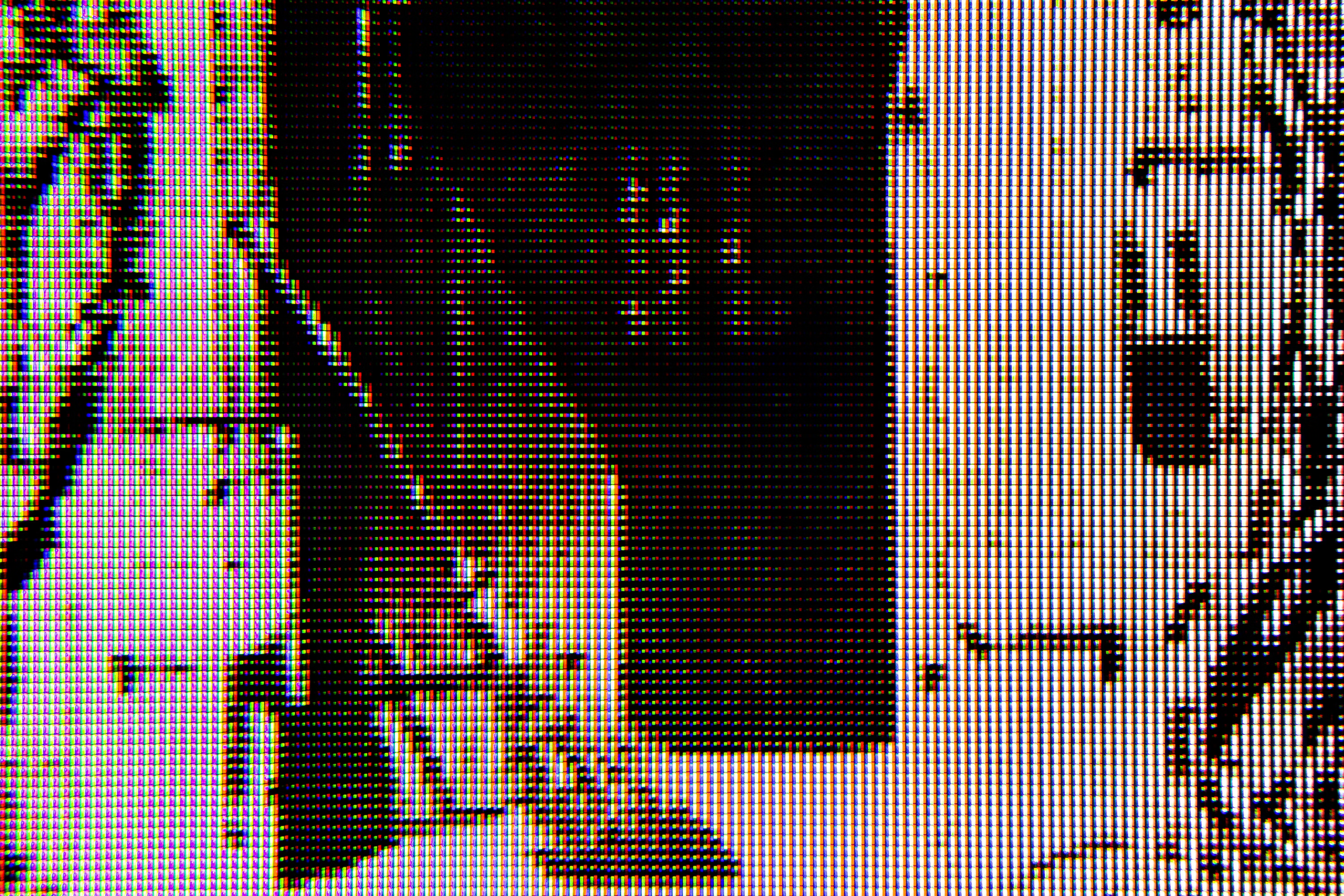
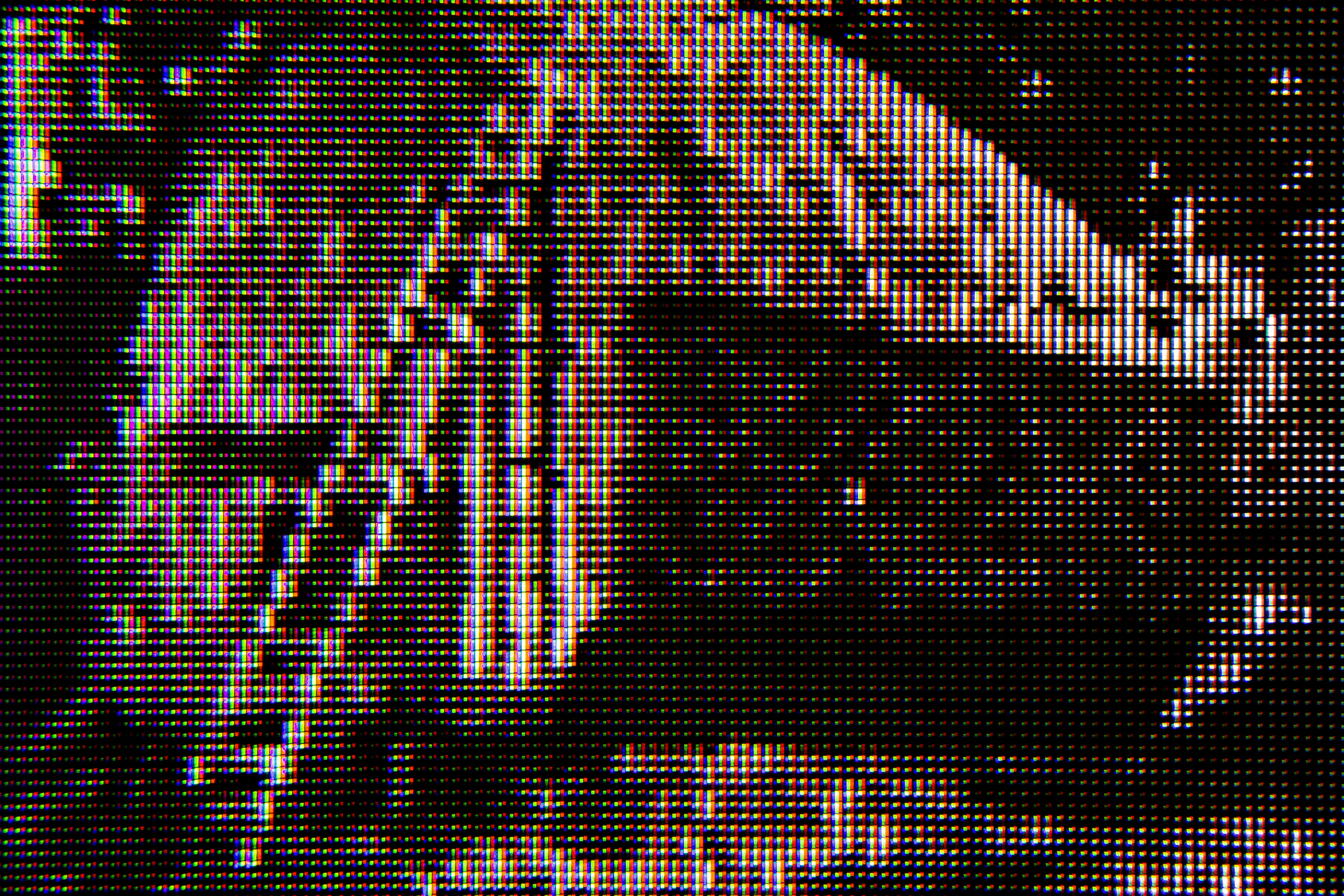
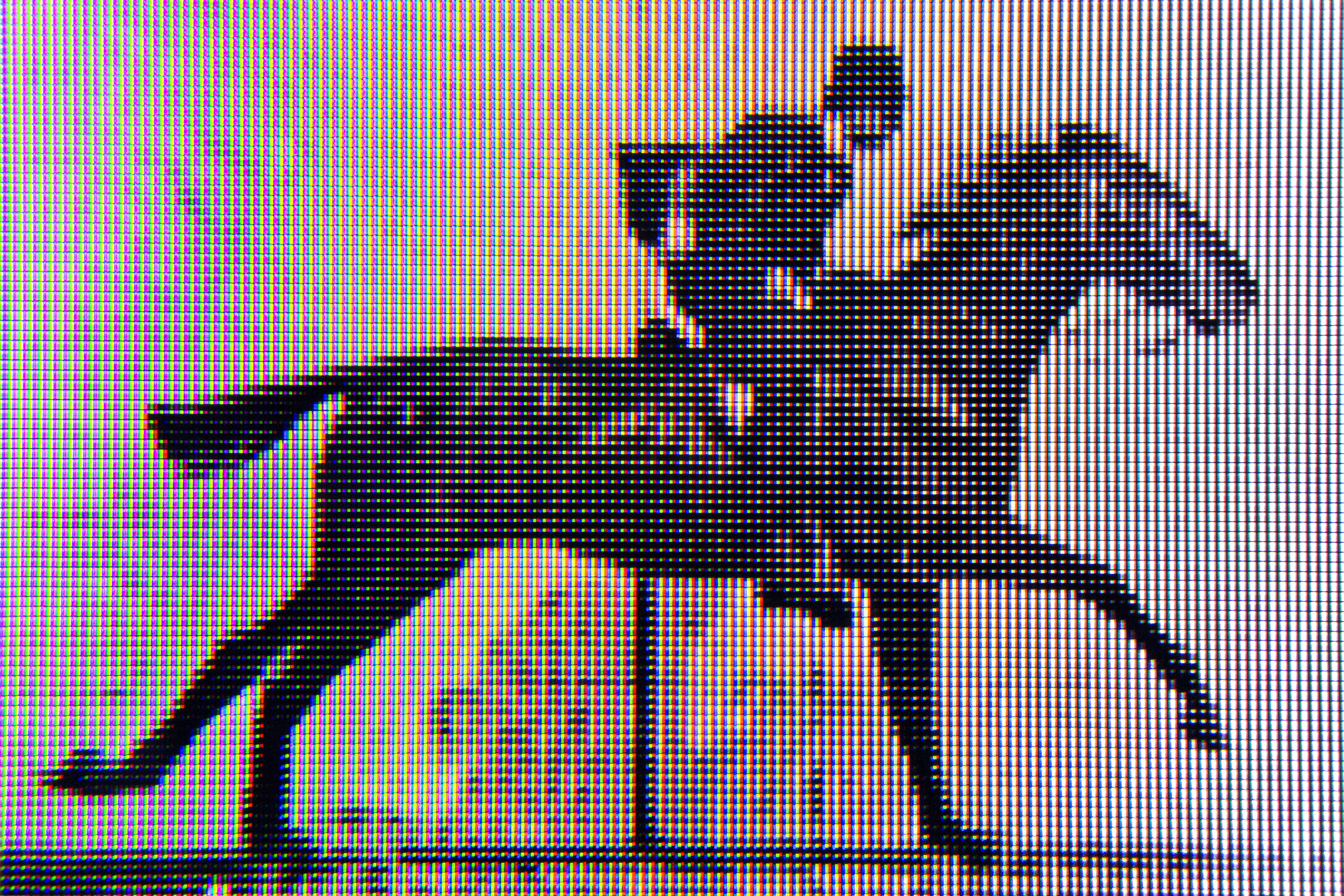
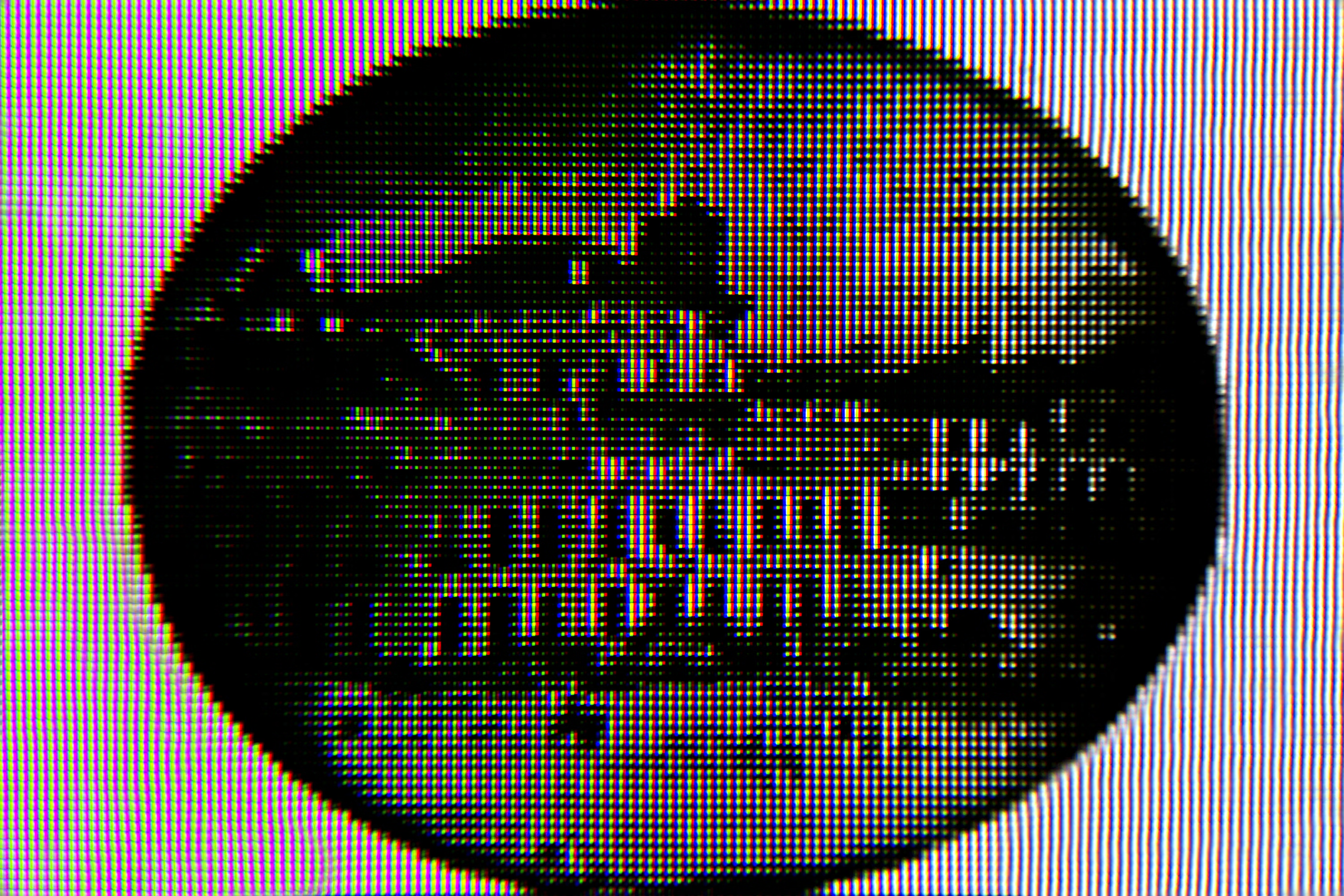
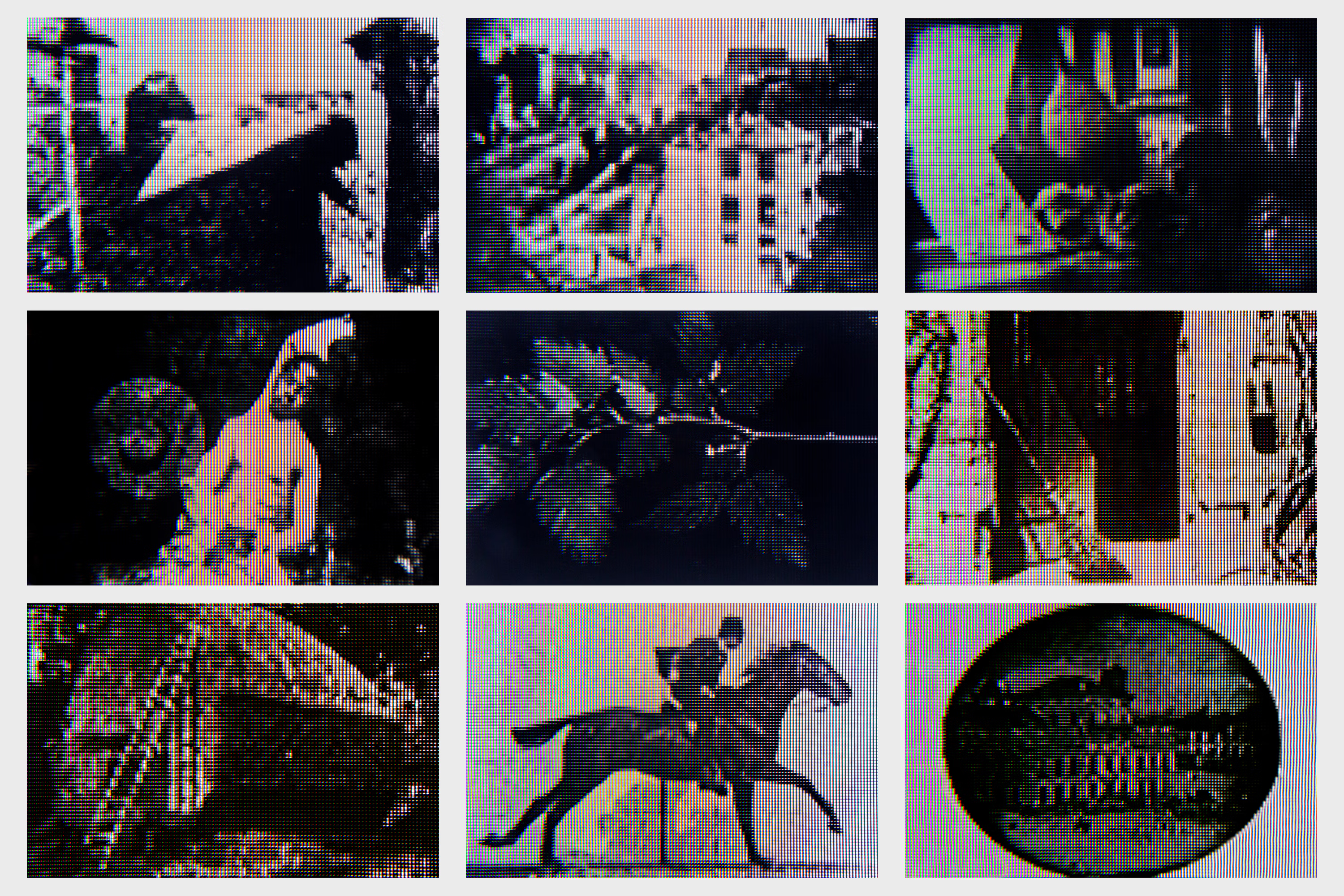
With the aid of an LED television, seminal images from the history of photography — such as Point de Vue du Gras (1827), by Nicéphore Niépce — were projected, and these projections were then photographed using a macro lens. As a result, the image simultaneously reveals each LED as an individual unit and the projected photograph itself.
This procedure emerged as a way of bringing together two of the main photographic technologies, at once entirely distinct and yet marked by the same imagetic nature.
Through this project, the aim is to raise the question of the ephemerality of the image, a recurring theme in the history of this medium, from before its materialization with Niépce to the emergence of digital photography, whose image does not physically exist, being composed of binary codes interpreted by software.
The work is completed in its materialization through large-format prints. In these large-scale prints, the viewer can physically engage with the image: from nearby, only an abstract composition can be perceived; as one steps back, the image becomes clearer.
A metaphor thus takes shape between physical distance — between the viewer and the photograph — and temporal distance — between the moment when those historical images were made and the time of digital photography.
Image references
1. Nicéphore Niépce
2–3. Louis Daguerre
4. Hippolyte Bayard
5–7. William Henry Fox Talbot
8. Eadweard Muybridge
9. Louis Compte