Unconscious Underground
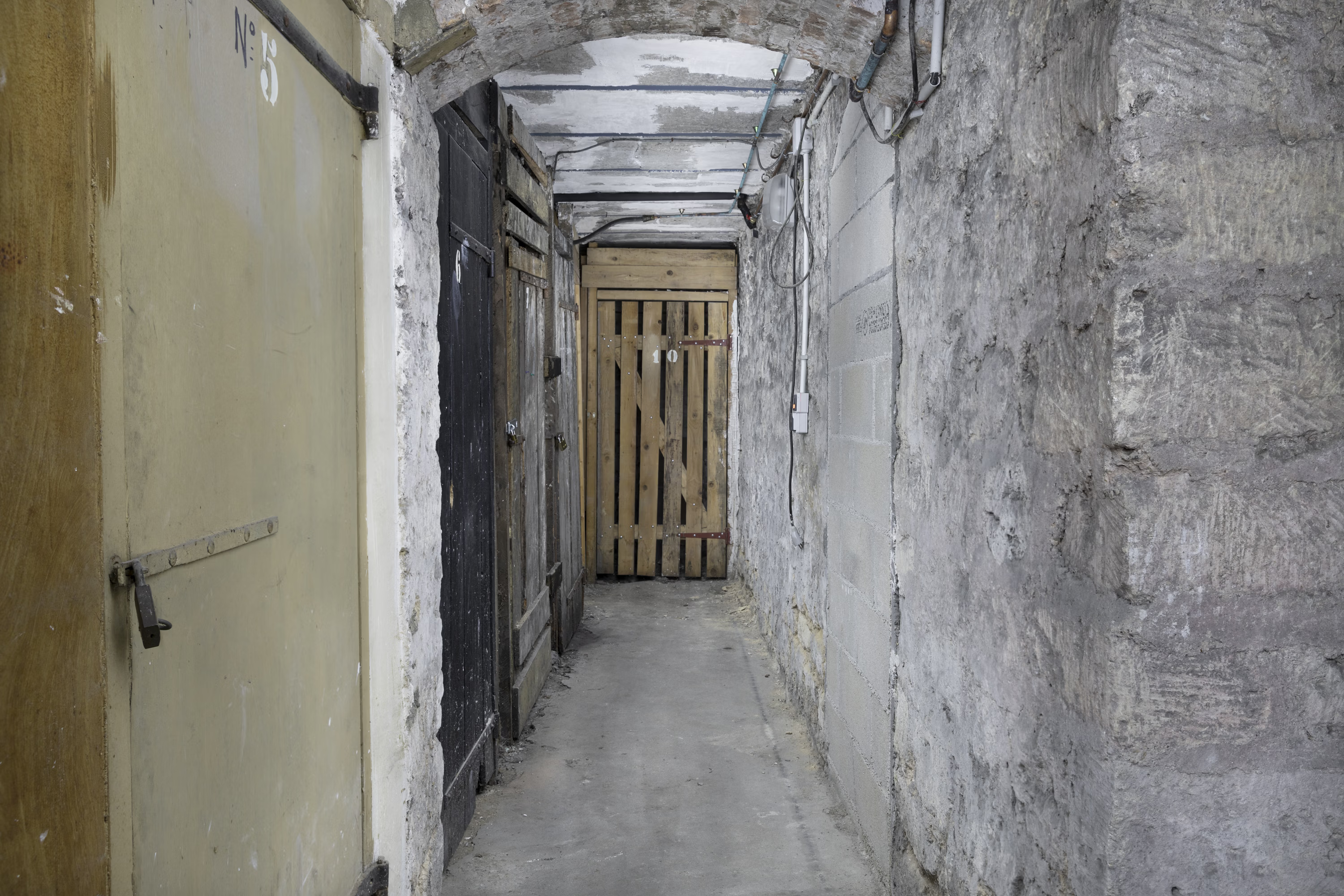
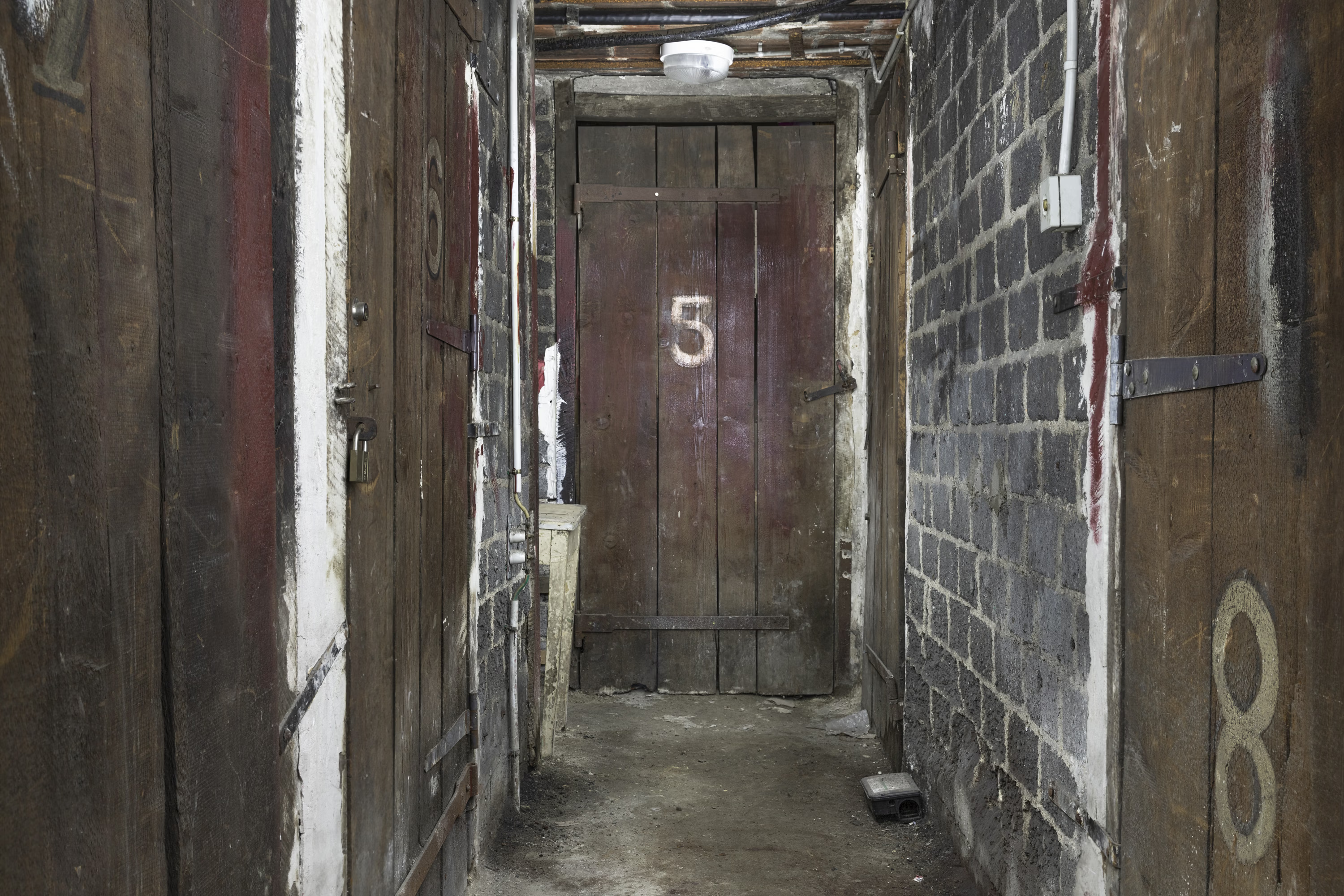
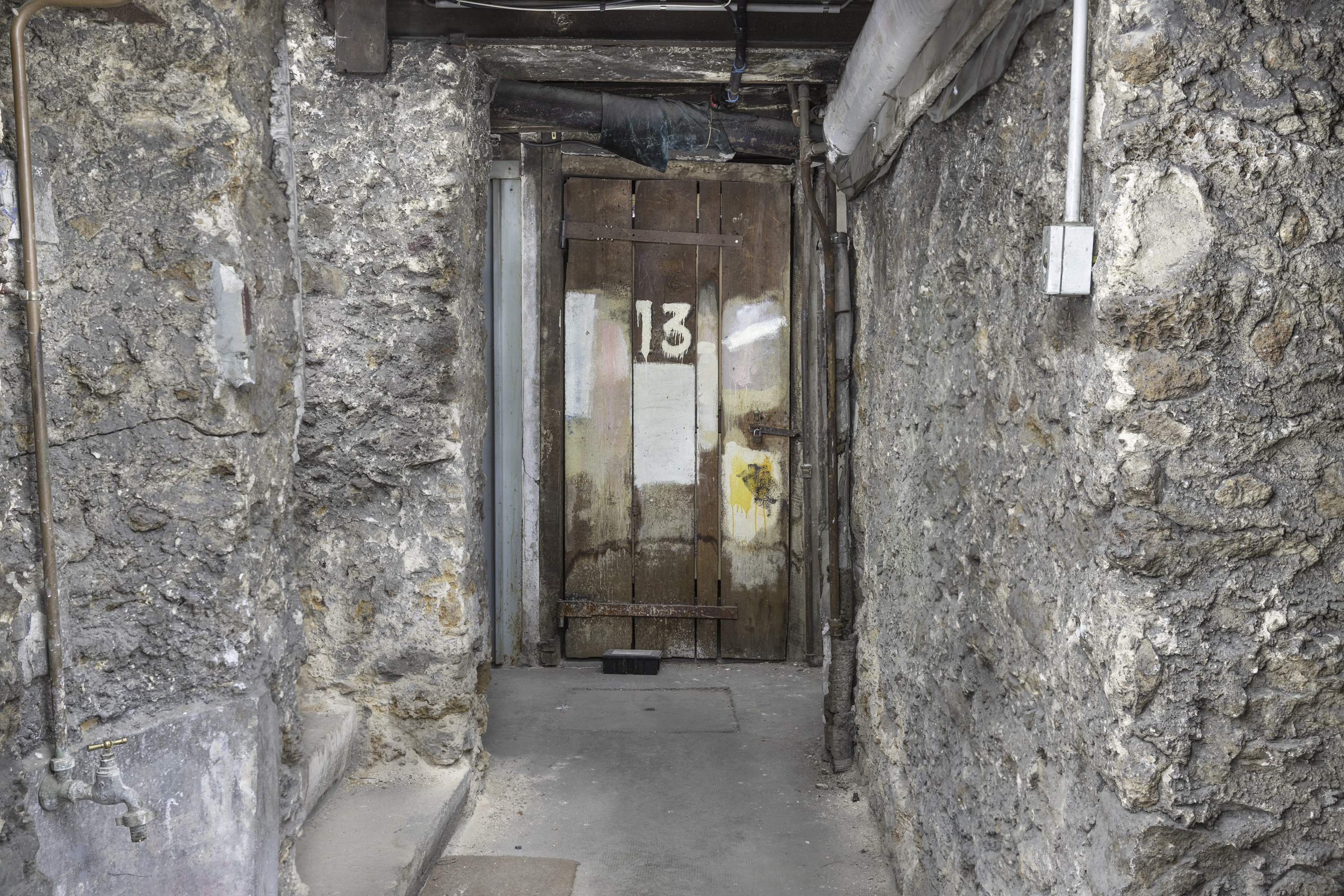
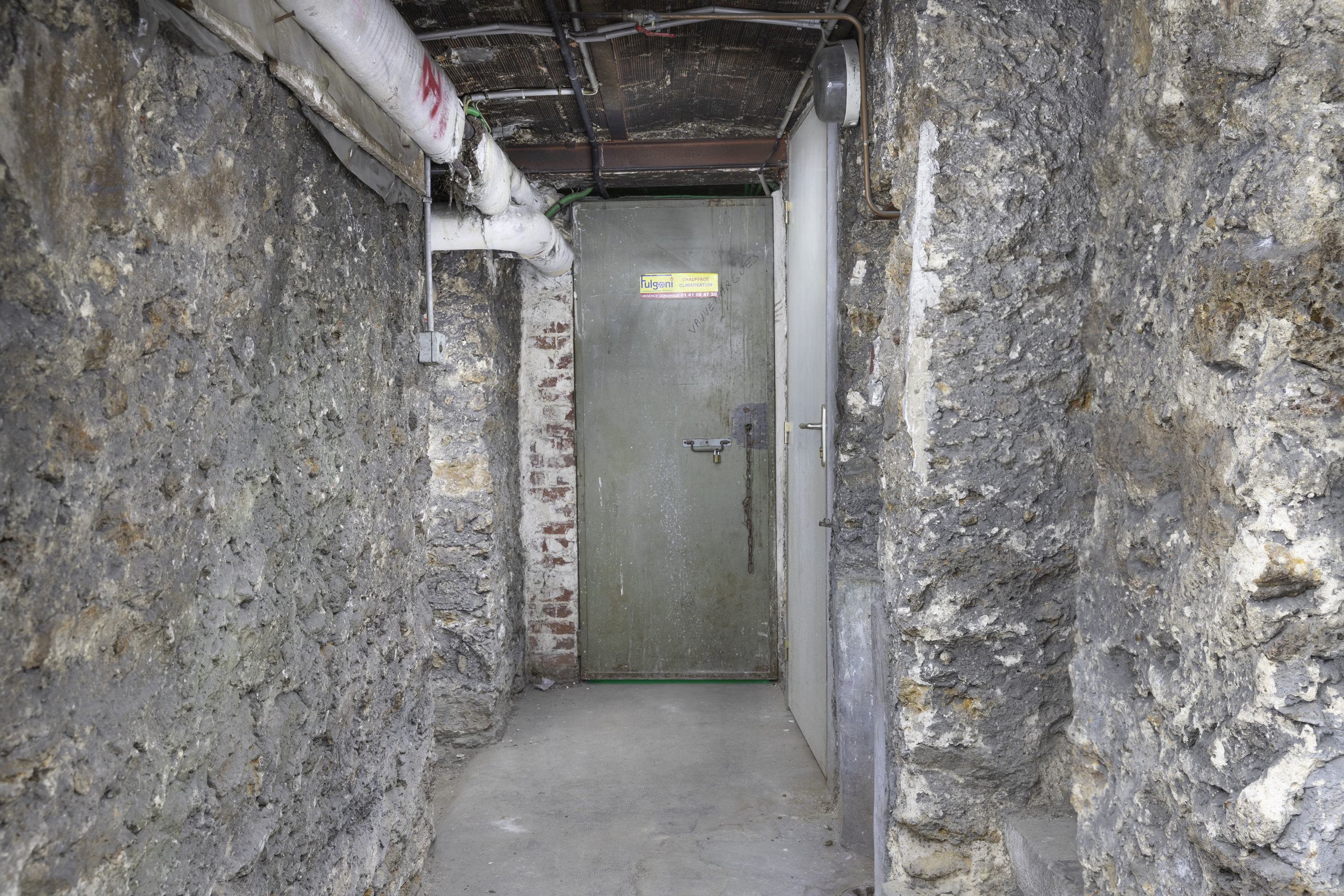
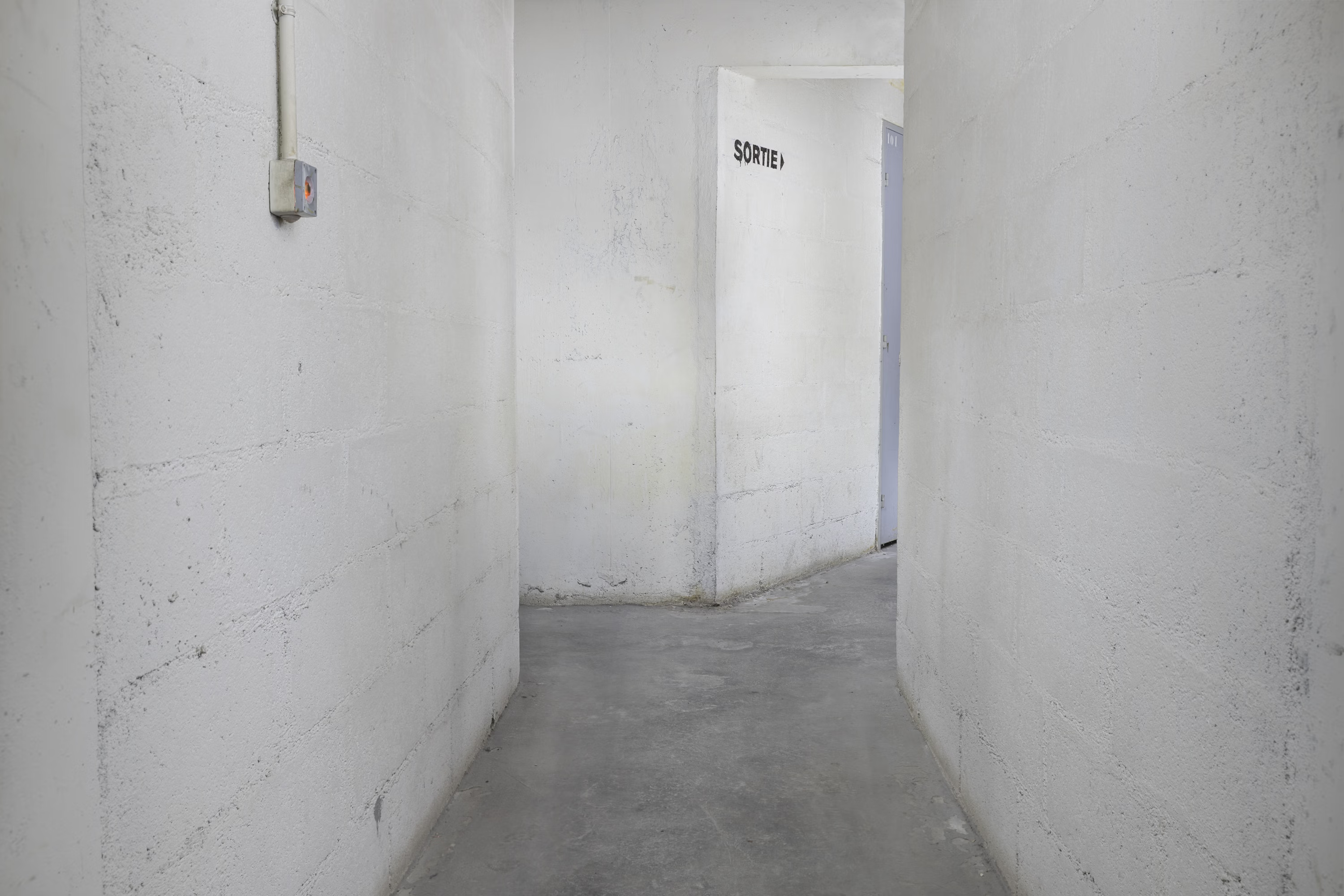
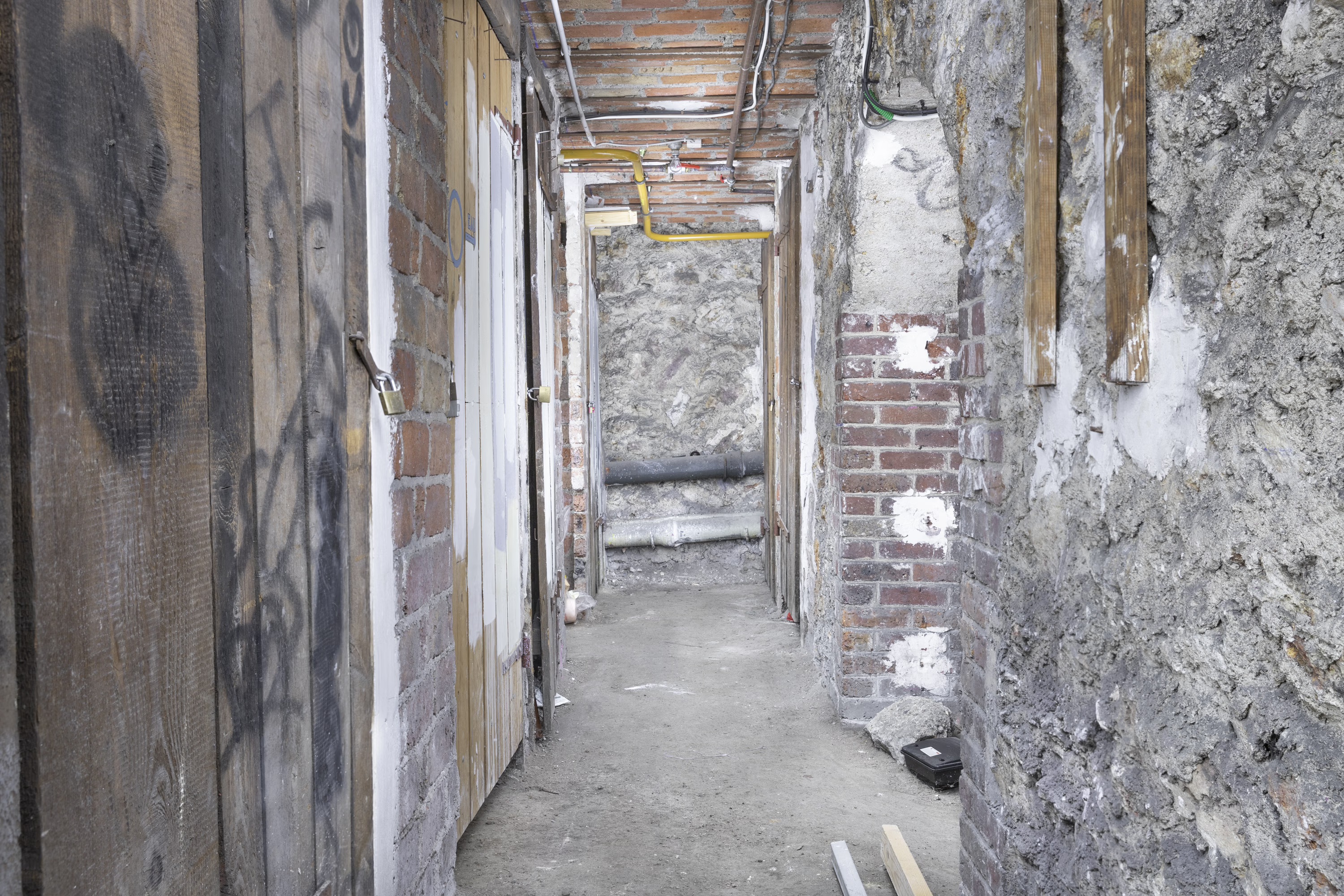
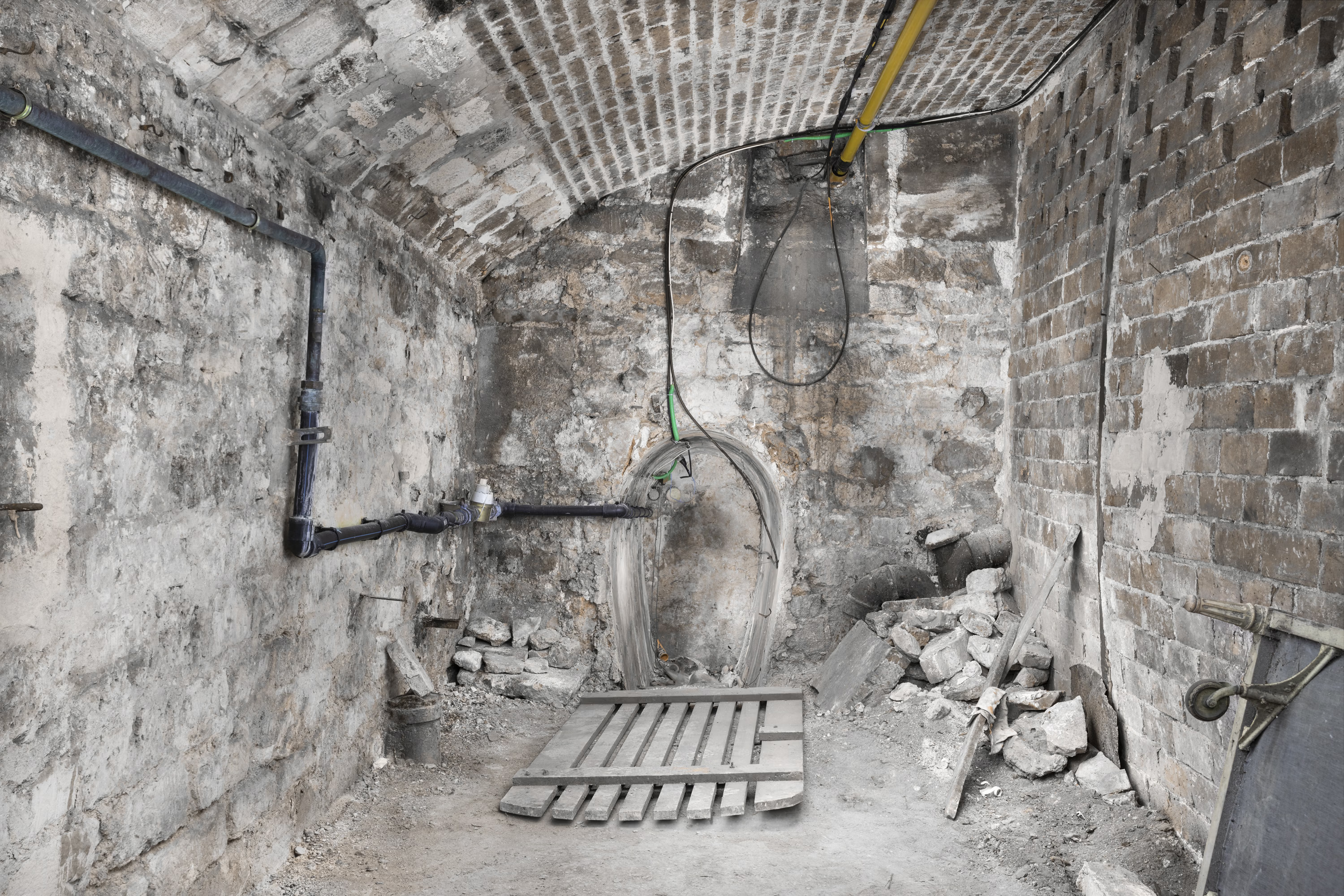
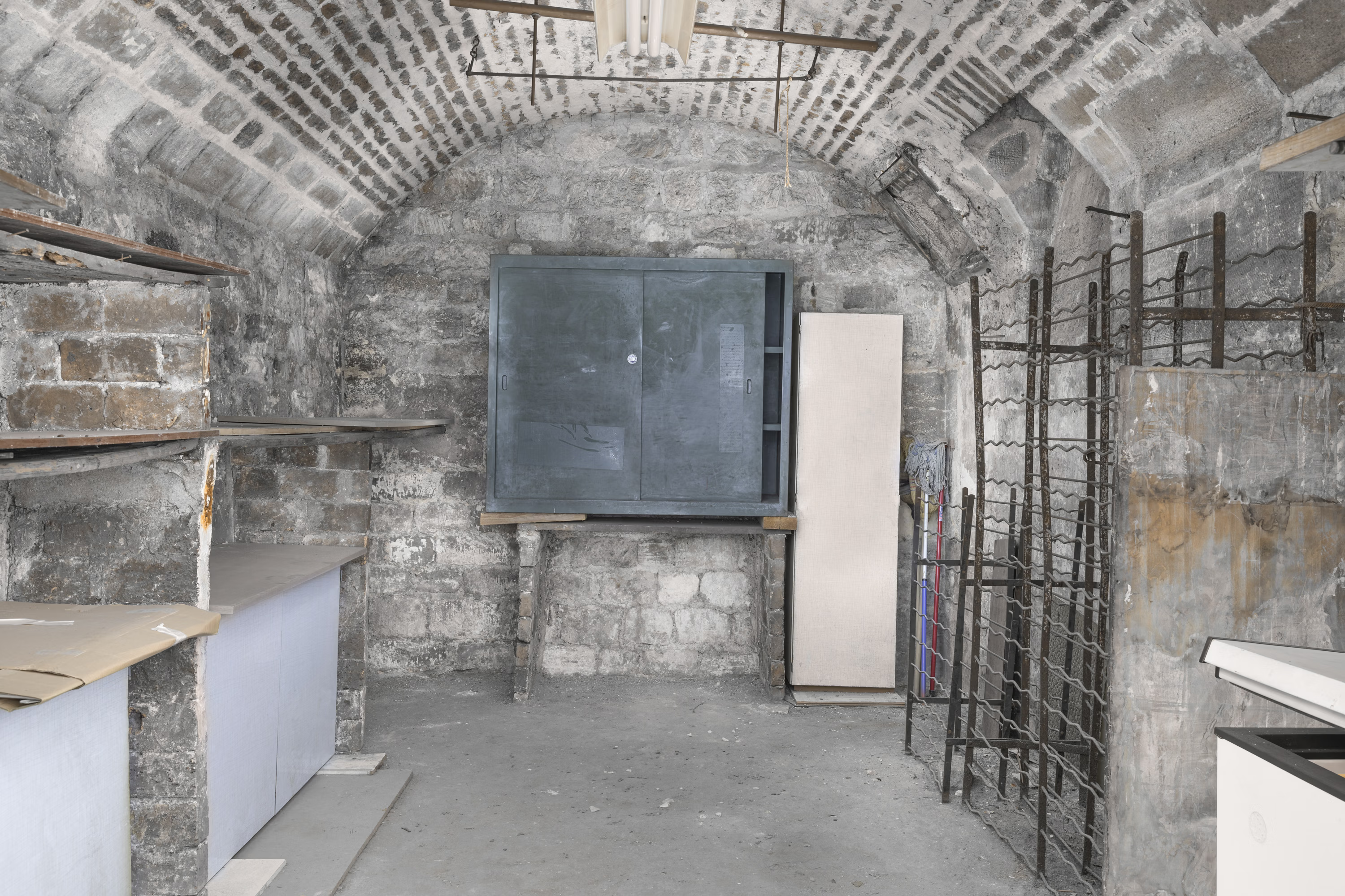
Located in the underground levels of buildings, Parisian cellars are private properties that barely register when walking through the city’s streets. Connected by corridors and usually accessed by a staircase, it is impossible to grasp the scale of these structures.
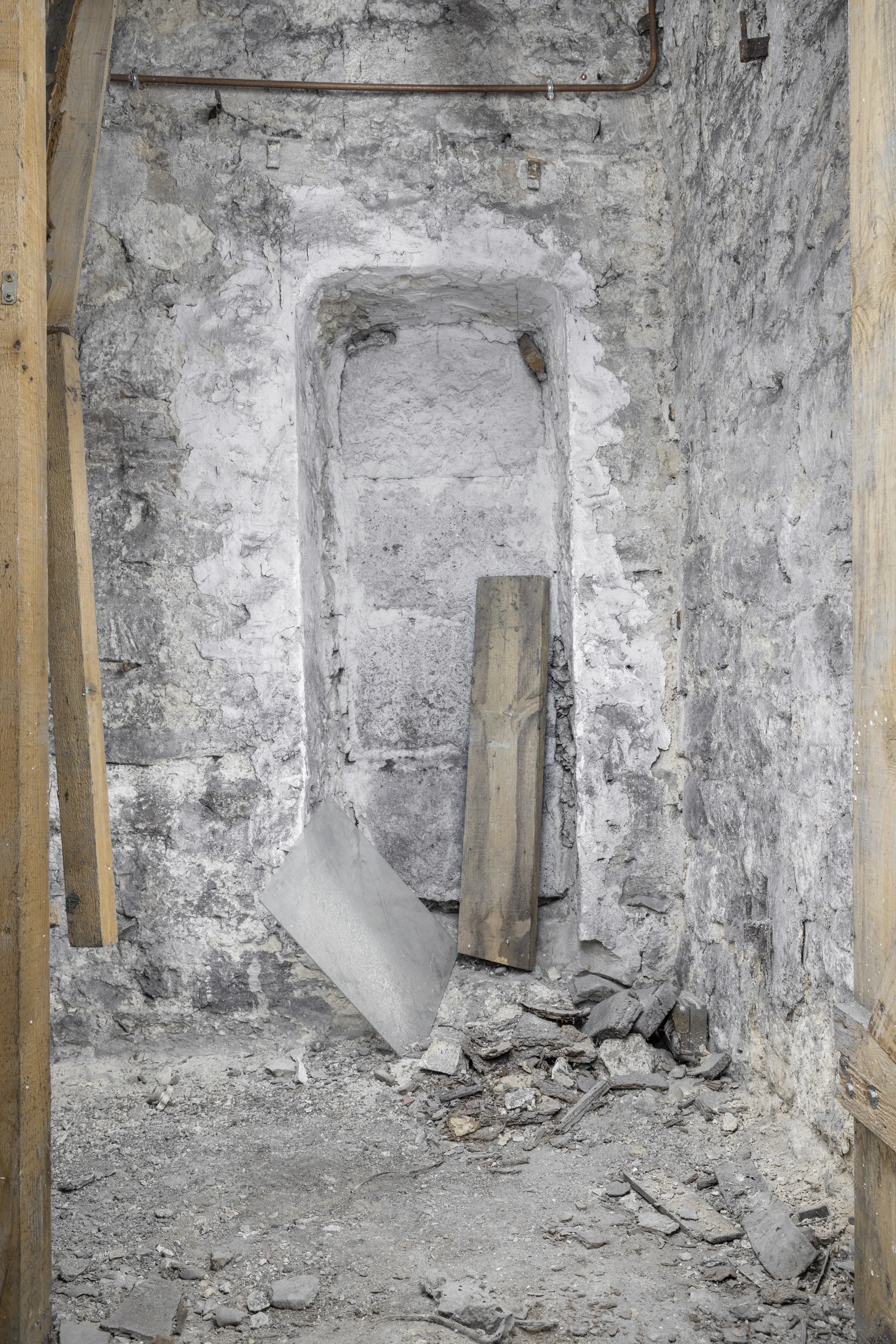
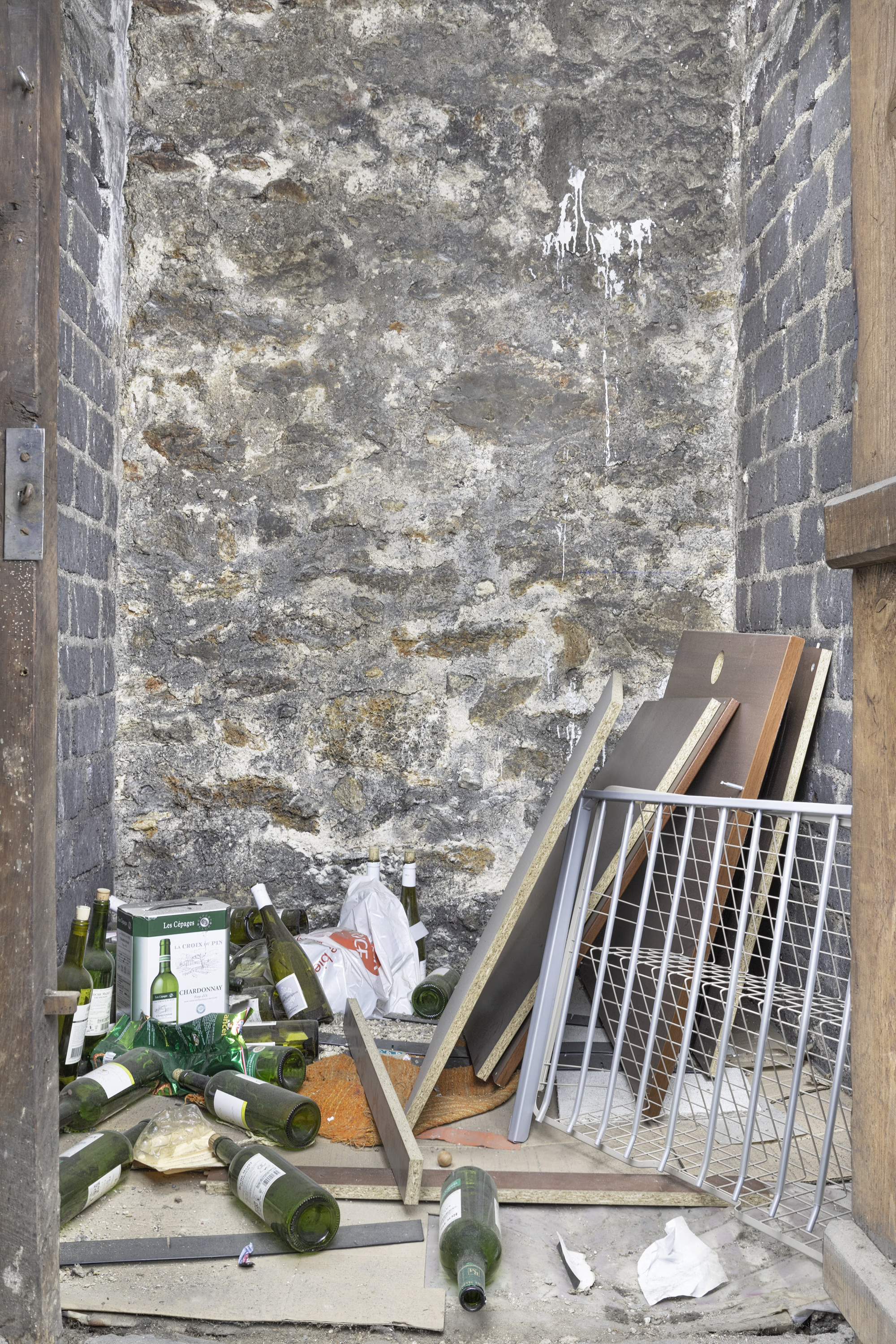
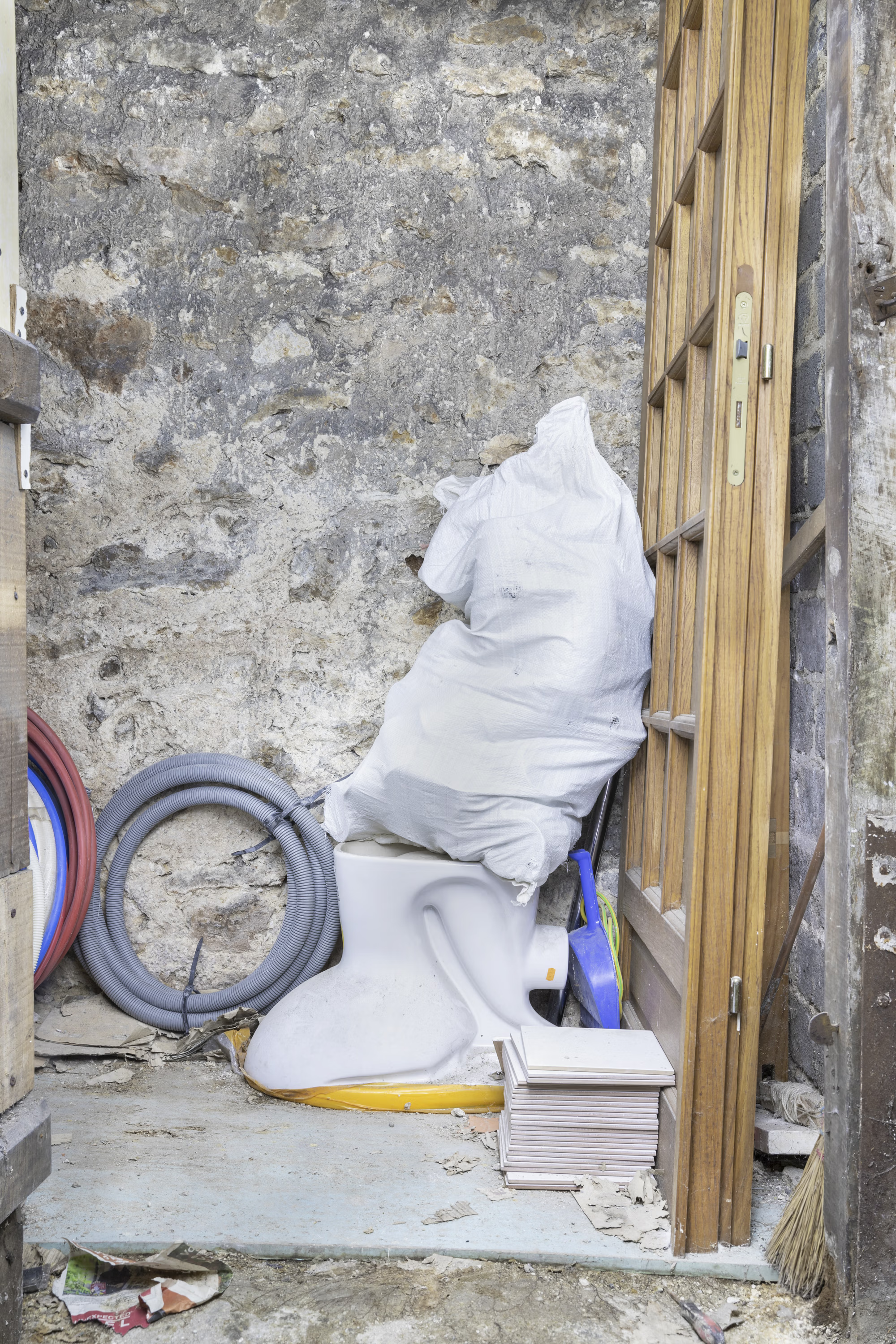
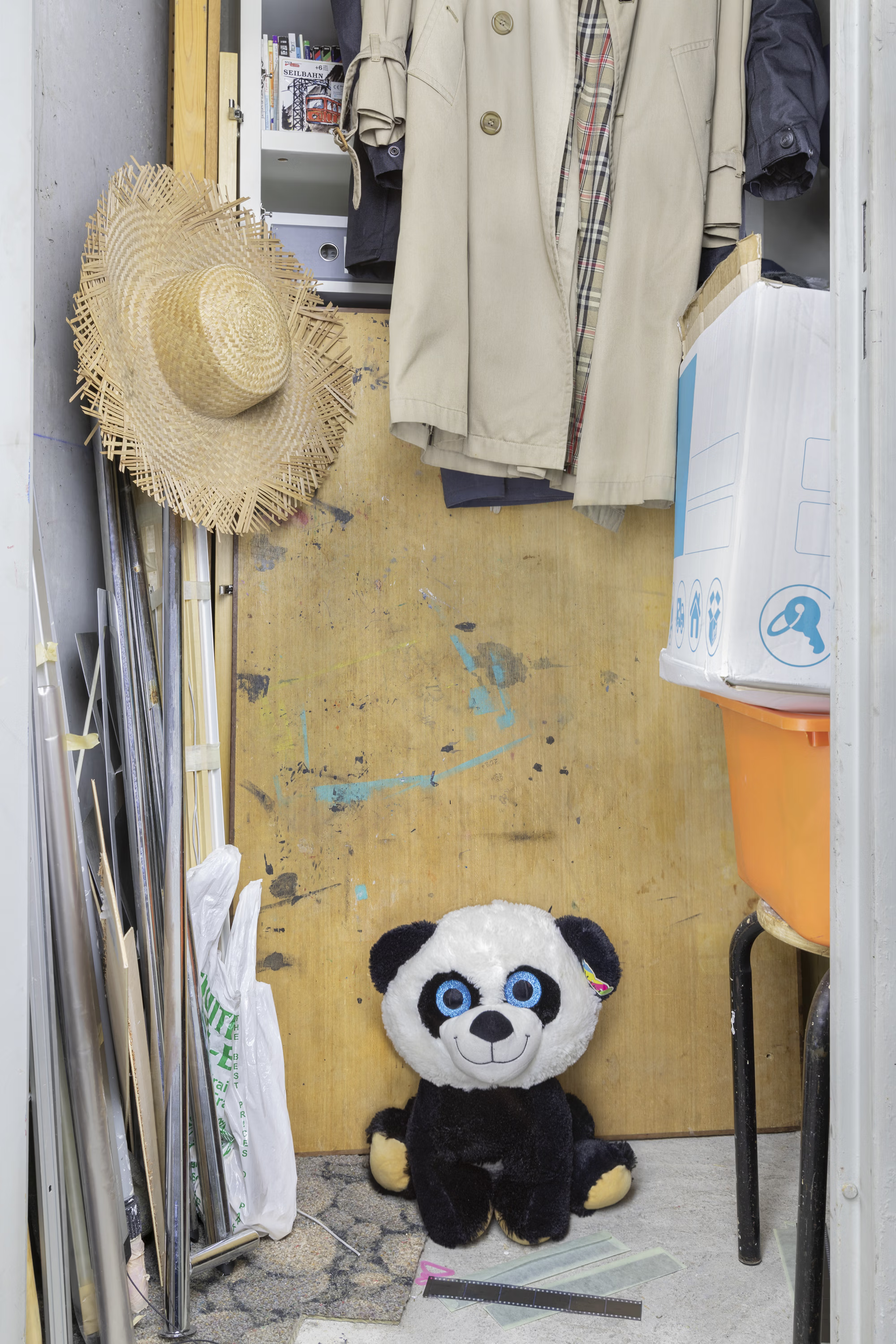
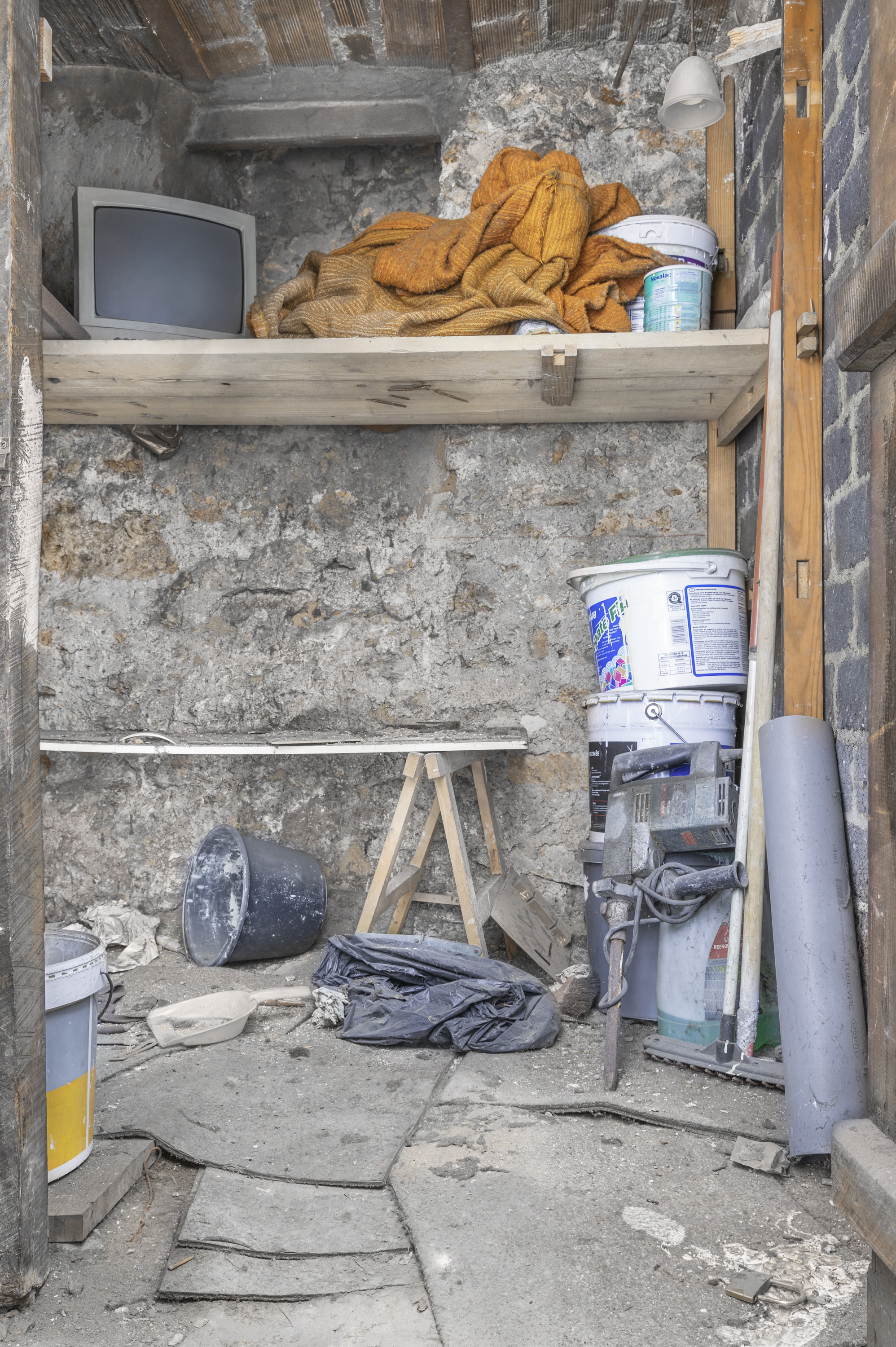
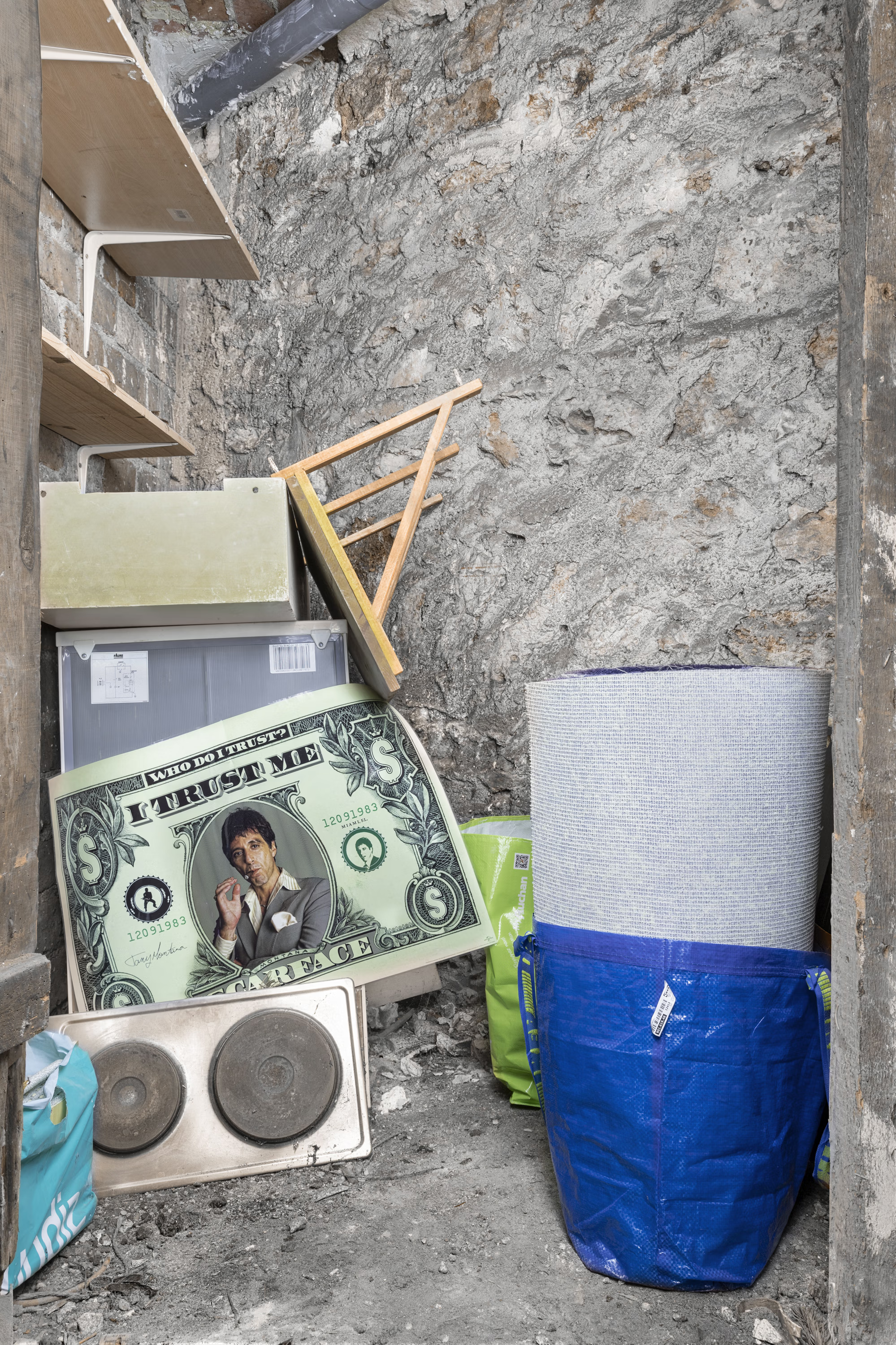
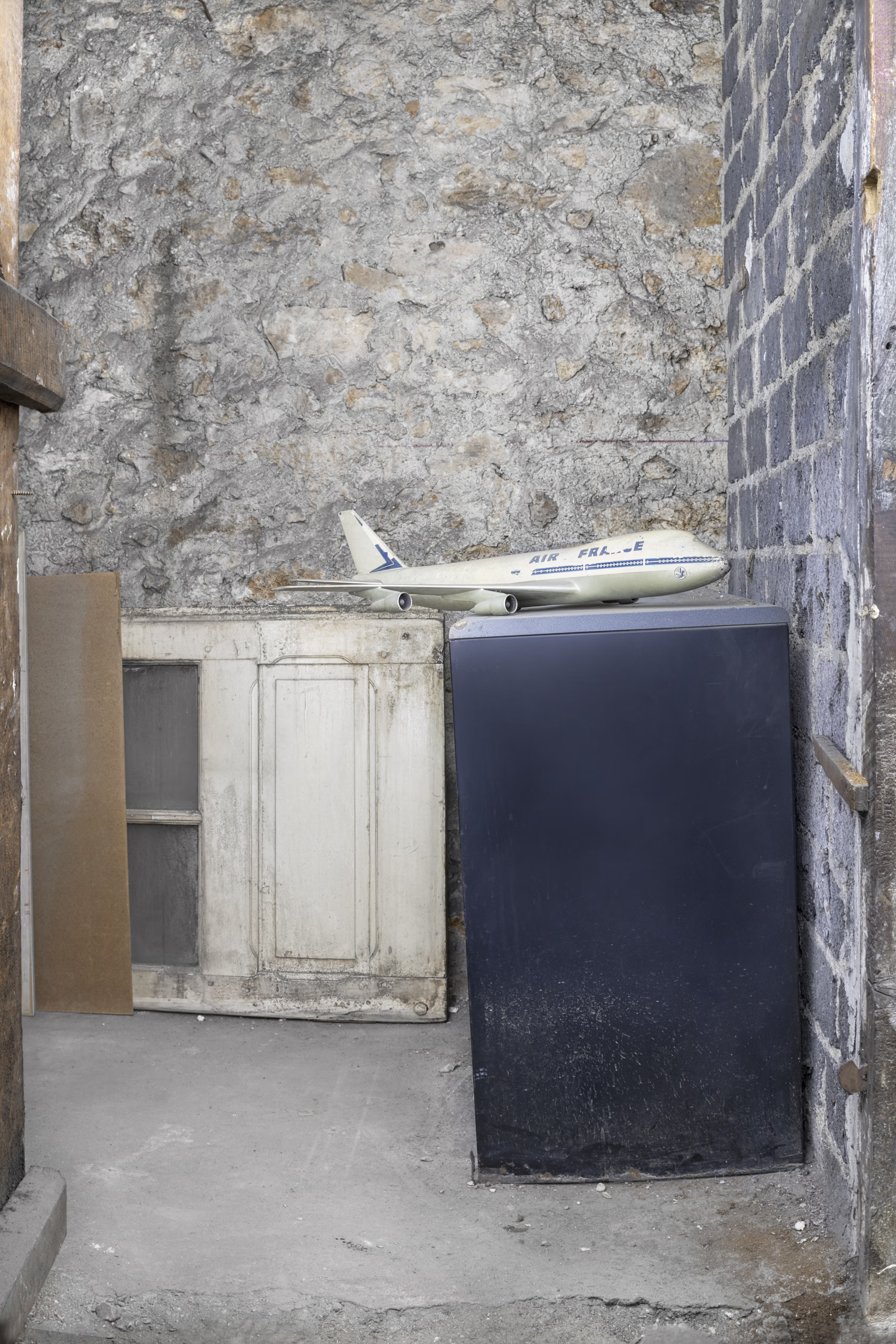
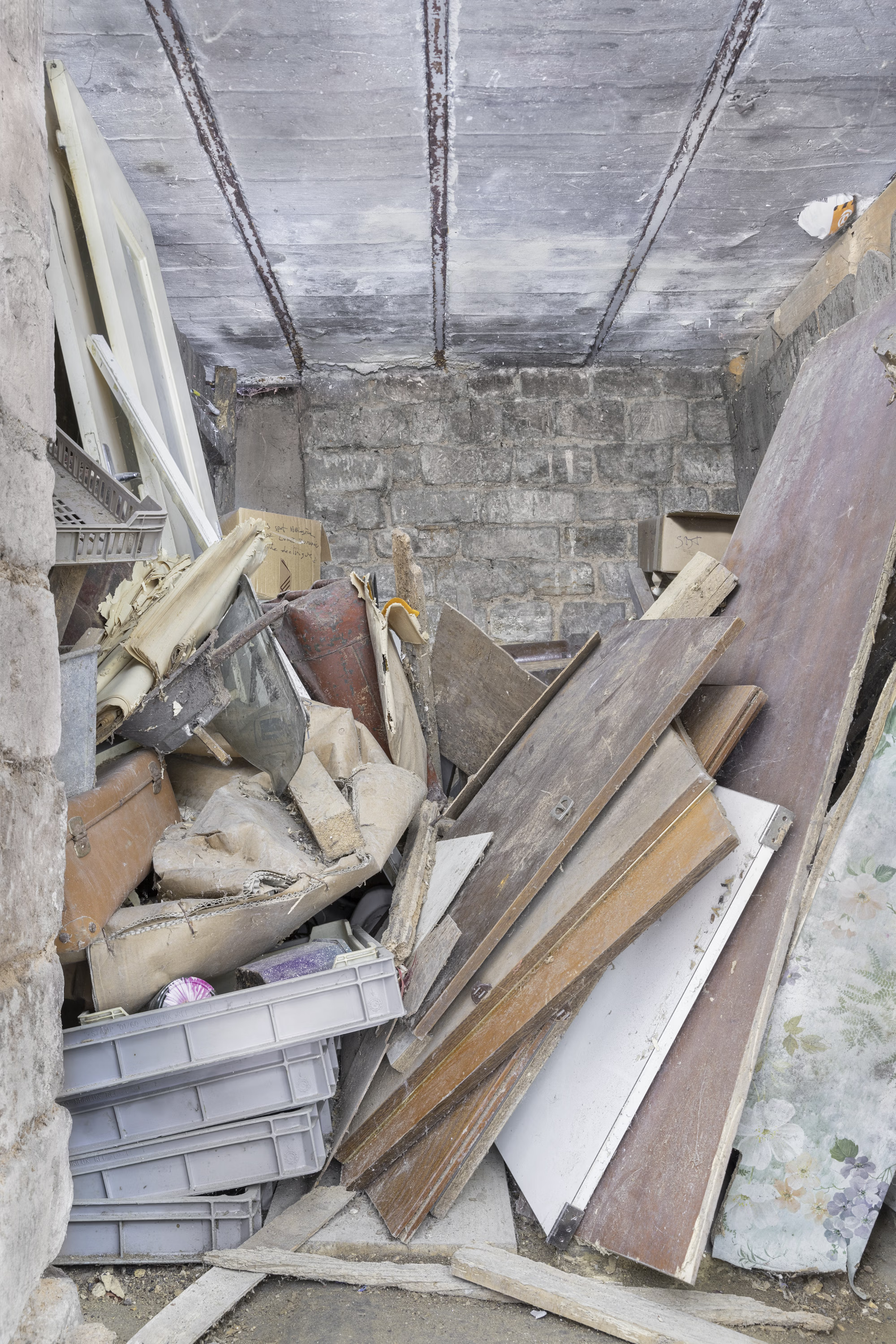
It is the place where you find used cardboard boxes, empty bottles, kitchen utensils from another era, all kinds of more or less broken objects that have become useless. It is a secret place, one rarely spoken of, dirty and filled with abandoned and forgotten things, and at the same time it can store food or precious objects, as well as memories. The cellar, or basement, shelters witnesses to our ties to the past, to the secret of our intimate personalities. In times of war, it also serves as a refuge for fugitives and clandestine lives.
“Unconscious Underground” dwells on this highly specific and nearly forgotten universe, investigating more than just this physical space within domestic architecture. It seeks to portray who its inhabitants are and the imaginaries they create through these storage spaces.
According to the French philosopher Gaston Bachelard in "The Poetics of Space", there is meaning in considering the house as an instrument for analyzing and recognizing the human soul, its concrete dreams, its desires and emotions. Not only our memories, but also our acts of forgetting are housed in the memory of the spaces where we grew up, were formed, and live. The idea of dwelling goes beyond housing our physical body and extends into the places where the reveries and thoughts of our unconscious reside.
The image of the house becomes the topography of our intimate being, with spaces that represent the refuge of emotions — attic, basement, corridors. The attic corresponds to spiritual elevation and the basement to the unconscious. Bachelard’s reading strongly resonated with the project’s approach.
The “house,” then, becomes the driving element for the unification and integration of the human being in the face of a universe of dispersed dreams, memories, and thought, reflecting both the outer and inner worlds and forming an imaginary capable of making explicit the set of oneiric spaces safeguarded by our memory.
Text by Daniel Salum